
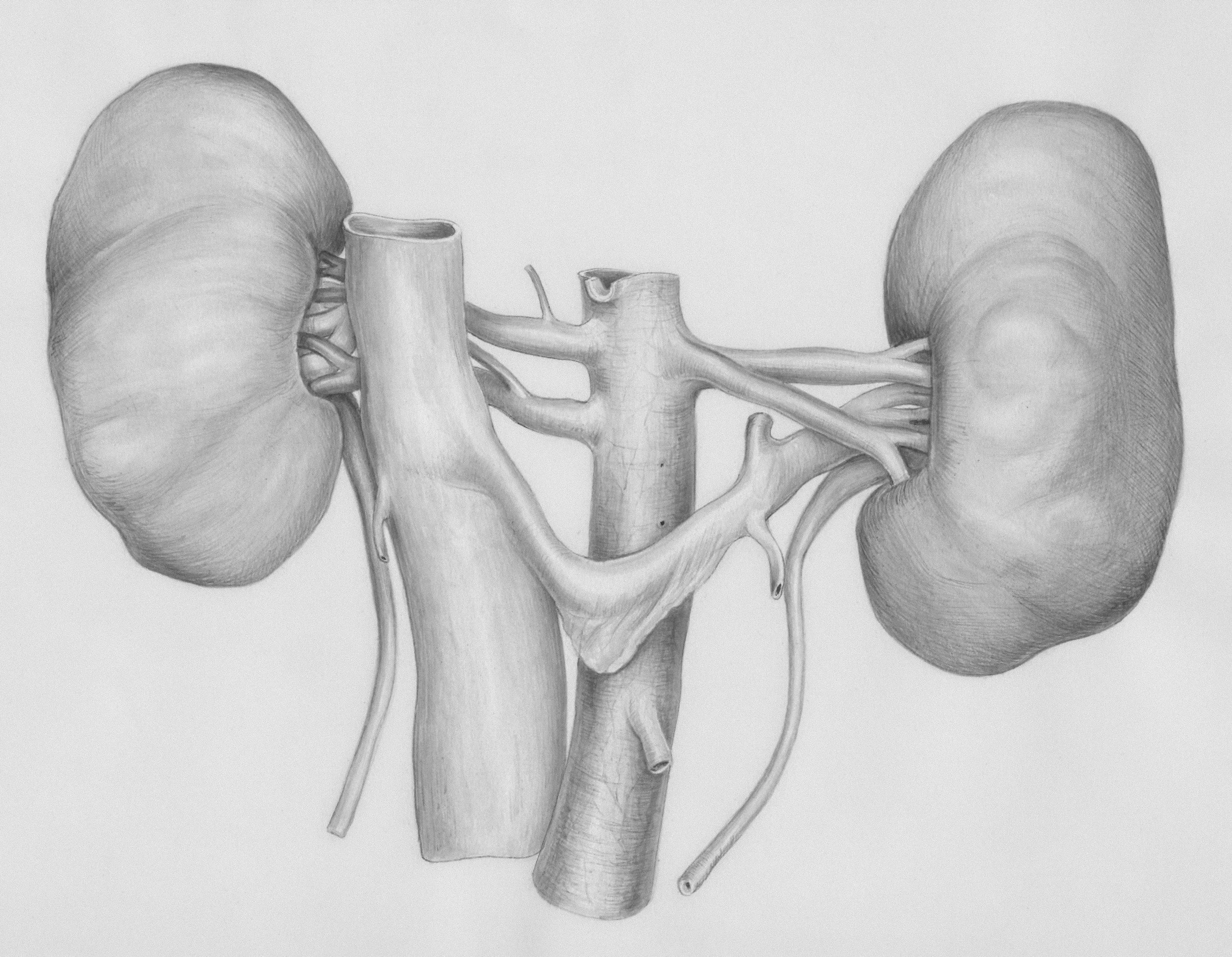
Biomechanics
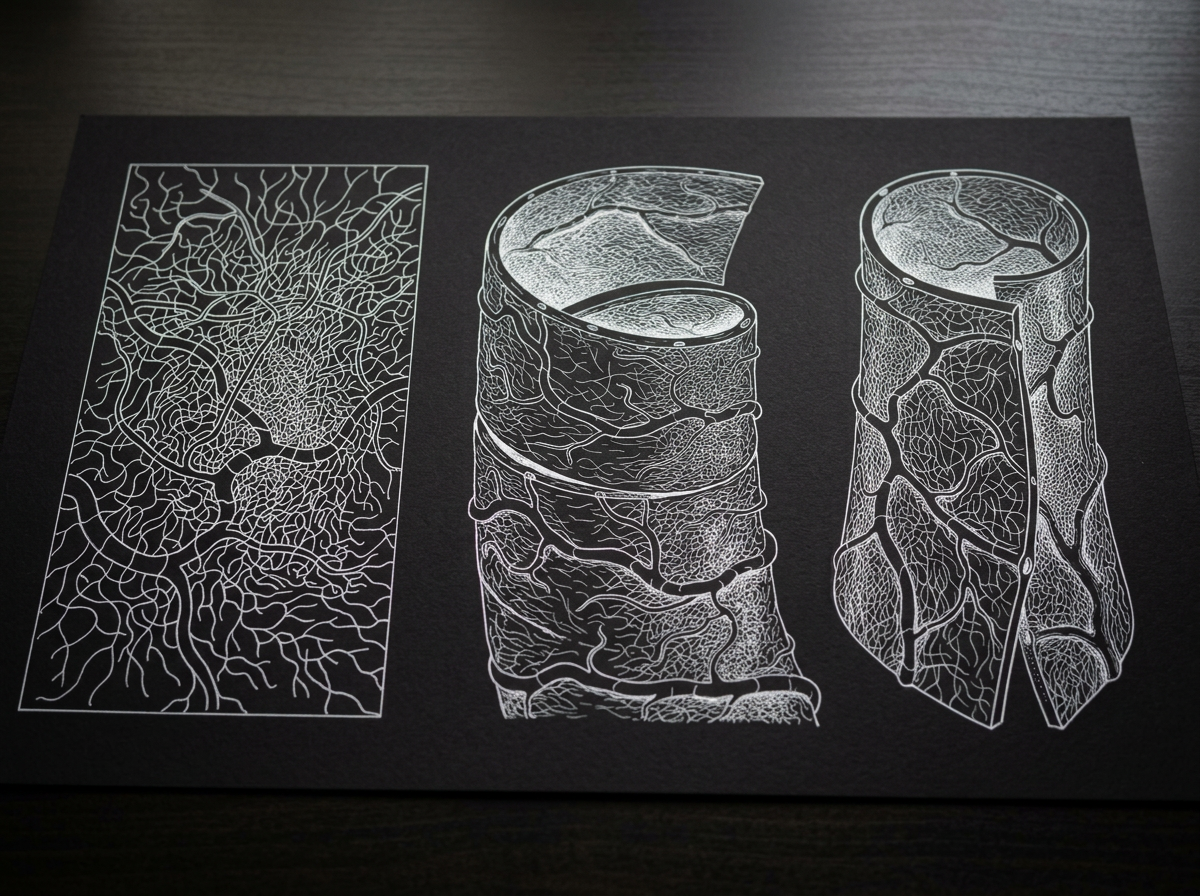
“Are we breaking this right? Aren’t we forgetting to model...xyz?”
My graduate school training was in biomechanics, developing a variable-wall-thickness and heterogeneous-material aneurysm simulation model (this was particularly fun, as I used shape-from-silhouette rather than medical images to reconstruct the 3D surfaces). My dissertation shifted toward building a bubble-inflation testing apparatus. At UTSA, there are some unanswered questions that I would like to address using a stereo digital image correlation system. Stay tuned, get your popcorn, it should be a fun next few years.
At AIBEL, biomechanical research integrates computational modeling and experimental measurements to understand how biological tissues behave under physiological loading. Computational approaches include finite element analysis for tissue mechanics and stress prediction with AI, as well as computational fluid dynamics to study blood flow and hemodynamic forces in vascular systems. These models are complemented by experimental techniques such as stereo digital image correlation, which enables full-field strain measurements during mechanical testing of biological tissues and engineered systems. Together, these approaches provide a rigorous framework for studying disease mechanics, validating simulations, and guiding the development of improved diagnostic tools and medical devices.